
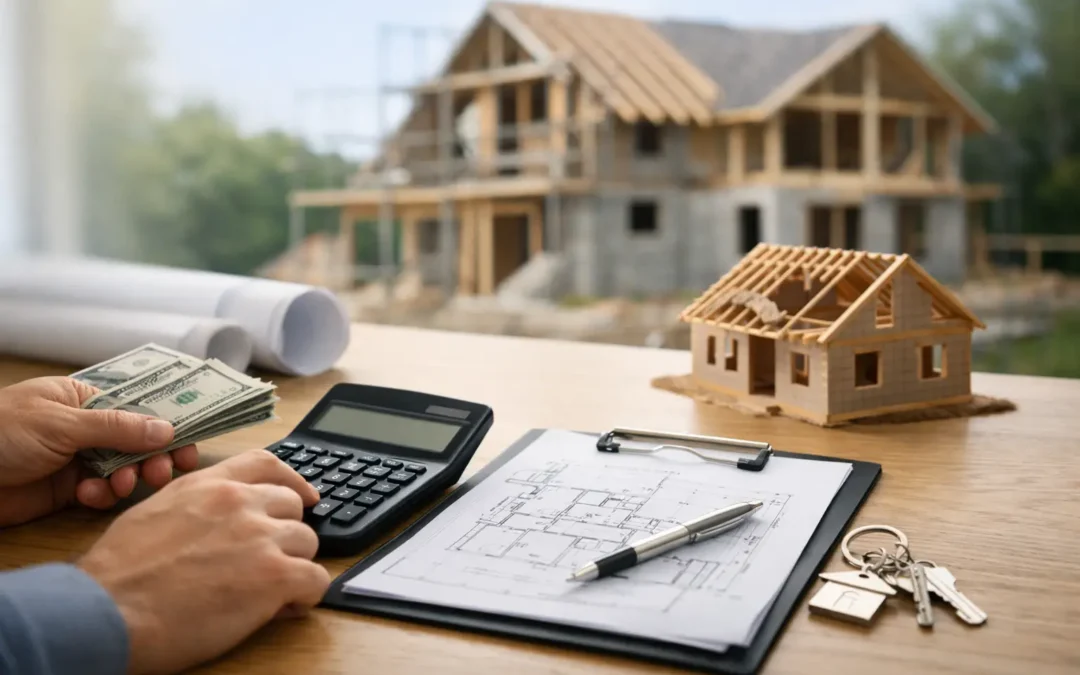
The lot is right, the plans are taking shape, and now the real question shows up fast: how to finance a custom home build without putting unnecessary pressure on your budget. This is where many homeowners feel stuck. A custom build is not financed the same way as buying an existing house, and the right structure can make the entire project feel far more manageable.
For most people, financing a custom home is a mix of planning, lender requirements, builder coordination, and realistic budgeting. It is not just about getting approved for the largest number possible. It is about choosing a financing path that supports the build you want, protects your cash flow, and leaves room for the decisions that come up during construction.
How to finance a custom home build starts with the right budget
Before you talk to a lender, get clear on the total project cost. That means more than framing, finishes, and labor. A custom build budget often includes the land, design fees, permits, utility connections, site prep, engineering, landscaping, driveway work, and a contingency for changes or surprises.
This is one of the biggest mistakes homeowners make. They focus on the house itself and underestimate everything around it. A lender may approve the construction loan based on plans and projected value, but you still need to know what your out-of-pocket responsibilities will be.
A strong budget should separate hard costs from soft costs and include a reserve. In custom building, small upgrades add up quickly. Better windows, higher-end flooring, more built-in storage, and mechanical upgrades all feel reasonable one at a time. Together, they can shift your financing needs significantly.
The most common ways to finance a custom home build
The most common route is a construction loan. This is a short-term loan designed specifically for building a home rather than buying one that already exists. Instead of receiving all the money at once, funds are released in stages as the work progresses. These are often called draws.
During construction, the lender usually wants to see an approved plan, budget, timeline, and signed agreement with the builder. They may also review the builder’s credentials, insurance, and track record. That is one reason it helps to work with an experienced contractor who understands how to present a project clearly and keep documentation organized.
Once the home is complete, the construction loan is typically paid off or converted into a traditional mortgage, depending on the loan type. Some lenders offer a one-time-close product, where construction financing and the permanent mortgage are set up together. Others use a two-close structure, where the construction loan and mortgage are separate.
A one-time-close loan can reduce paperwork and closing costs, which appeals to many homeowners. A two-close loan can offer more flexibility if rates or circumstances change before the build is finished. Neither option is automatically better. It depends on your lender, timeline, and comfort with risk.
Using land equity, cash, or home equity
If you already own the land outright, that can strengthen your financing position. In some cases, the equity in the lot counts toward your down payment. That can reduce the amount of cash you need at closing and improve your loan-to-value ratio.
Some homeowners also use cash savings to cover soft costs, upgrades, or early expenses before the loan is fully in place. This can be a smart move if it keeps the financing structure simpler. The trade-off is liquidity. You do not want to put every available dollar into the project and leave yourself exposed once the build is underway.
Another option is using equity from your current home, often through a home equity loan or line of credit. This can help with the down payment, land purchase, or costs that fall outside the construction loan. It can also increase your risk if your current residence is tied too closely to the project. If delays happen, carrying multiple obligations at once can become uncomfortable.
What lenders usually want to see
Lenders financing a custom build are generally more cautious than lenders financing a standard home purchase. There are more variables, and the asset does not fully exist yet. Because of that, they tend to look closely at the borrower and the project itself.
You should expect questions about your income, debt, credit history, available cash reserves, and the overall affordability of the project. On the construction side, the lender may ask for final plans, specifications, a detailed cost breakdown, building permits, appraisals based on future value, and a construction schedule.
They may also want confirmation that the builder is licensed, insured, and capable of completing the work as proposed. A well-managed project creates confidence. Vague allowances, incomplete scopes, and shifting numbers do the opposite.
Why builder selection affects financing
A custom build is not just a design decision. It is a financial one. Lenders want to know the person or company managing the work can keep the project on track, control costs, and deliver to plan.
That matters for you too. A builder who communicates clearly, prices honestly, and manages timelines well can help prevent the kind of disruptions that lead to financing stress. Delays, change orders, and coordination problems do more than test your patience. They can affect draw schedules, carrying costs, and your total spend.
This is where working with a contractor who understands both craftsmanship and project delivery can make a real difference. At Homes By Adam, that means approaching custom work with detailed planning, transparent communication, and respect for the investment behind every decision.
How to keep financing realistic during the build
Even with good planning, custom homes evolve. You may adjust finishes, change a layout detail, or decide a certain upgrade is worth the added cost. The key is making those choices from a position of control, not emotion.
Start by defining your non-negotiables early. Know where quality matters most to you, whether that is the kitchen, structural performance, energy efficiency, or long-term durability. Then identify areas where you are willing to stay practical if costs tighten.
It also helps to protect your contingency fund. Many homeowners treat contingency money as upgrade money. That usually backfires. A contingency exists to handle real issues like site conditions, utility surprises, material changes, or code-related adjustments. If you spend it too soon, every later decision becomes more stressful.
You should also understand how and when your loan funds are released. Draw schedules affect when contractors and trades are paid. If documentation is slow or inspections lag, that can create friction on site. Clear expectations upfront reduce those issues.
A few trade-offs worth thinking through
The lowest monthly payment is not always the best financing choice if it limits flexibility during the build. On the other hand, stretching your budget for every possible upgrade can leave you with a beautiful home and uncomfortable financial pressure afterward.
Fixed-rate certainty can feel safer, especially if rates are moving. Variable structures may offer advantages in some cases, but they are not ideal for every homeowner. If your income is stable and predictable, you may be able to tolerate more flexibility. If you prefer tight control over your long-term costs, simplicity often wins.
There is also the question of timing. Some homeowners rush into financing before the plans and budget are truly ready. Others wait too long and lose momentum or miss opportunities with land, pricing, or scheduling. The right time is usually when your vision has enough detail to support accurate numbers, but before you are making commitments based on assumptions.
Questions to ask before you commit
When comparing lenders, ask how draws are handled, what inspections are required, how interest is charged during construction, and what happens if the timeline changes. Ask whether the loan converts automatically to a mortgage or requires a second closing. Clarify what costs are not covered.
With your builder, ask how allowances are set, what is included in the contract, how changes are documented, and how the schedule is managed. Good answers here can save you far more than a slightly better rate.
Financing a custom home build is not only about approval. It is about structure, clarity, and having the right team around you. When your financing plan matches the scope of the project and the way you want to live, the process becomes far more grounded. Build with a clear head, ask better questions early, and give yourself room to make smart decisions when they matter most.