
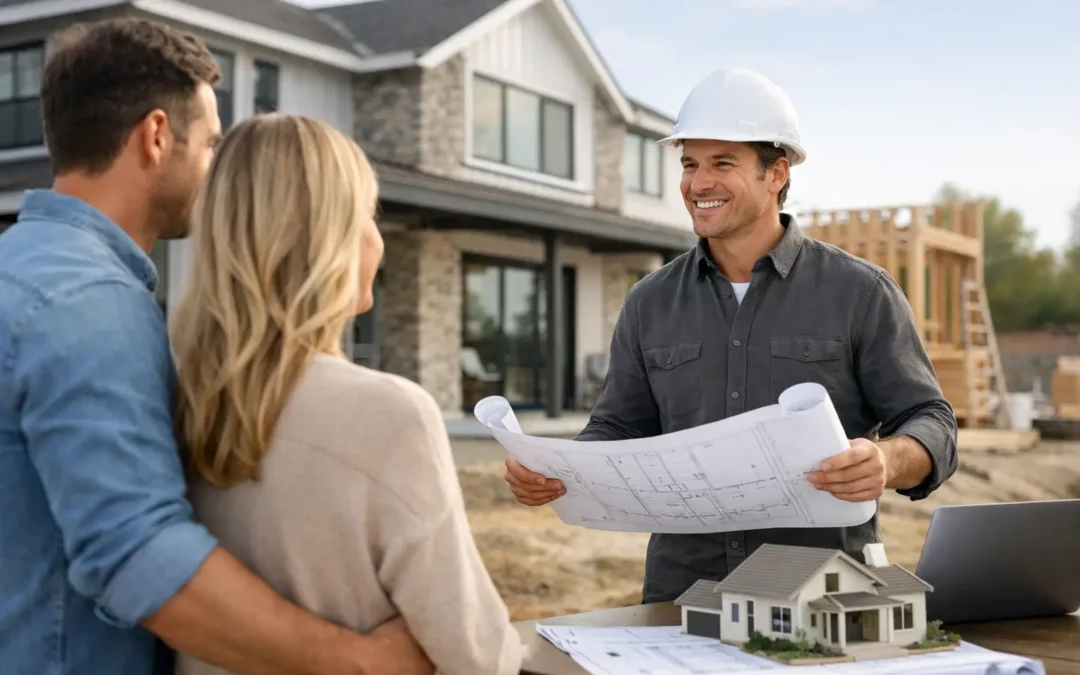
The difference between a custom home you love and a project you regret usually shows up long before the foundation is poured. It starts with who you hire. If you are comparing the best custom home builders, you are not just choosing a company to build walls and install finishes. You are choosing the team that will shape your daily life, manage your budget, and carry your vision from concept to completion.
For most homeowners, this is one of the largest investments they will ever make. That is why the right builder is rarely the one with the flashiest marketing or the lowest quote. The right builder is the one with the craftsmanship, communication, and project discipline to deliver a home that feels considered, durable, and true to how you want to live.
What sets the best custom home builders apart
The best builders tend to share a few qualities, but it is not just about experience or a polished portfolio. Strong custom home builders know how to translate ideas into buildable plans, guide decisions without pressure, and stay accountable when conditions change.
Craftsmanship is the obvious starting point. In a custom build, details matter more because every choice is more personal. Trim work, layout flow, material transitions, storage planning, lighting placement, and finish consistency all affect how the home feels once you move in. A builder with high standards will care about the parts of the job you notice right away and the parts hidden behind the walls.
Just as important is project management. A custom home has more moving parts than many homeowners expect. Design revisions, permit timing, trade coordination, material lead times, inspections, and site conditions can all affect progress. The builder you choose should be organized enough to keep the project moving and honest enough to tell you when a decision could impact cost or schedule.
Then there is communication, which is often where good projects separate themselves from stressful ones. Homeowners do not need constant sales talk. They need straight answers, realistic expectations, and regular updates. A builder who communicates clearly helps clients make better decisions and avoids the confusion that can turn small issues into expensive ones.
The best custom home builders are not always the biggest
It is easy to assume that larger companies are automatically better equipped for custom work. Sometimes that is true. A larger operation may have more staff, established vendor relationships, and broader capacity. But size alone does not guarantee quality or attention.
In many cases, homeowners get better results from a builder who stays personally involved and treats each home like a reputation-defining project. That kind of owner-led accountability often shows up in the details. Questions get answered faster. Problems are addressed directly. Decisions are not passed through layers of people who were not in the original conversation.
There is a trade-off, though. A smaller, relationship-driven builder may take on fewer projects at once, which can affect start times. For many homeowners, that is worth it if the payoff is tighter oversight and a better overall experience. The best fit depends on whether you value scale, personal involvement, or a balance of both.
What to look for before you sign
A strong first meeting should feel less like a pitch and more like a working conversation. Good builders ask thoughtful questions about how you live, what matters most in the home, and where you are flexible. They do not rush straight to square footage and finishes.
Pay attention to how they talk about process. A serious custom builder should be able to explain how planning works, how estimates are prepared, when selections need to be made, and what happens if changes come up during construction. If the answers are vague early on, the project may feel even less clear once it starts.
Past work matters, but so does relevance. A builder may have beautiful projects in their portfolio, but you should still ask whether they align with your goals. Building a large modern home on an open lot is different from building a custom home in an established neighborhood with tighter site constraints. Renovation experience can also be valuable, especially in areas where custom work often involves additions, rebuilds, or integrating new construction with existing structures.
It also helps to understand who will actually manage your project day to day. In some companies, the person who wins the work is not the one overseeing the build. That is not always a problem, but it should be clear from the start. Homeowners deserve to know who is responsible for communication, scheduling, and on-site quality control.
Questions worth asking custom home builders
You do not need to interview builders like a lawyer, but a few practical questions can tell you a lot. Ask how they handle changes after construction begins. Ask what their typical communication rhythm looks like. Ask how they approach allowances, budgets, and pricing transparency. Ask what tends to cause delays and how they work to reduce them.
You should also ask how they define success on a project. The answer matters. Some builders focus mostly on speed. Others focus only on design impact. The best custom home builders usually talk about a balance of quality, functionality, budget discipline, and client experience.
Listen for specificity. Builders with real process experience do not rely on generic assurances. They can explain how they work because they have done it enough times to know where problems begin and how to prevent them.
Red flags homeowners should take seriously
Low pricing can be tempting, especially when custom building already feels expensive. But a quote that comes in far below others deserves closer attention. Sometimes it means something important has been missed, under-scoped, or pushed into vague allowances that will grow later.
Another red flag is pressure. A quality builder should be confident in their work without pushing you to commit before you are ready. If early conversations feel rushed, defensive, or overly sales-driven, the working relationship may become difficult once real decisions and real costs are on the table.
Watch for inconsistency too. If timelines change dramatically from one conversation to the next, if details are forgotten, or if documents feel incomplete, that can signal weak internal systems. Custom homes require too much coordination for disorganization to be brushed off as normal.
And while every project has some unpredictability, builders should never treat poor communication like an unavoidable part of construction. Delays can happen. Surprises can happen. Silence should not.
Why local experience matters in a custom build
A custom home is never built in a vacuum. Local regulations, permit requirements, climate conditions, subcontractor availability, and neighborhood context all affect the final result. Builders who understand the local market can often anticipate issues earlier and plan more realistically.
That matters in regions where weather, municipal processes, and established residential areas can shape everything from scheduling to material choices. A builder with local experience is more likely to know which products perform well over time, which site challenges are common, and how to coordinate work efficiently within the area.
For homeowners in Niagara Falls and the surrounding region, that local understanding can make a meaningful difference. A team like Homes By Adam brings the advantage of craftsmanship-focused building paired with hands-on service and clear communication, which is exactly what custom clients tend to need most when the goal is a lasting, well-executed home.
Choosing the right builder for your priorities
The best custom home builders are not identical because homeowners are not identical either. One family may care most about architectural detail and premium finishes. Another may be focused on practical luxury, long-term durability, and a smoother process from design through handoff. Most want all of it, but every project has priorities.
That is why builder selection should never come down to reputation alone. It should come down to fit. The right builder understands your goals, works in a way that gives you confidence, and has the discipline to protect quality throughout the process.
A custom home should feel personal in the best way. Not complicated for the sake of being custom, and not expensive just for appearances. It should reflect how you want to live, what you value, and what kind of work you are willing to stand behind for years. The builder you choose has a lot to do with whether that happens.
Take your time. Ask direct questions. Notice how each company handles the small interactions before the project begins. In custom building, those early signals usually tell you exactly what the experience will feel like when the real work starts.