
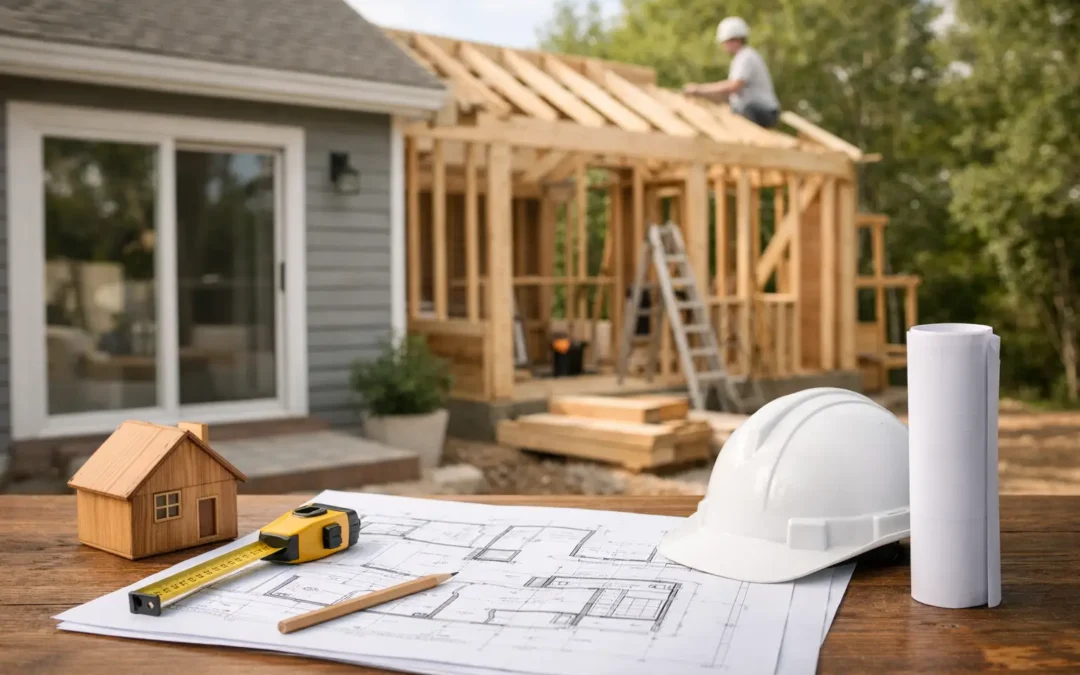
A home addition usually starts with a simple thought: we need more room. Then the real questions show up. How much space do you actually need? What will it cost? Will it feel like part of the house or like something tacked on later? If you’re figuring out how to plan a home addition, the best decisions happen before construction ever begins.
A well-planned addition does more than add square footage. It should improve the way your home functions, respect the character of the existing structure, and hold its value over time. That takes more than sketches and a rough budget. It takes a clear plan, honest expectations, and a builder who understands both design and execution.
Start with the reason for the addition
Before talking about layout, finishes, or pricing, get specific about why you want the addition in the first place. Some homeowners need another bedroom for a growing family. Others want a larger kitchen, a main-floor suite, a family room, or a garage with living space above it. Those are very different projects, and each one affects the home in a different way.
The strongest additions solve a real problem rather than chasing square footage for its own sake. If the issue is poor flow, a larger footprint may help, but a smarter reconfiguration might do more. If the problem is storage, natural light, or privacy, those goals should shape the design from day one. Clarity at this stage saves money later because it keeps the project focused.
How to plan a home addition with the whole property in mind
An addition has to work with more than the room beside it. It needs to make sense on your lot, within your neighborhood, and across the entire house. That means looking at setbacks, lot coverage, rooflines, drainage, window placement, and how the new space will connect to the existing structure.
This is where homeowners often underestimate complexity. Adding 400 square feet on paper can affect foundations, structural loads, HVAC capacity, electrical service, and exterior elevations. It can also change how your yard functions and how much natural light reaches nearby rooms. A good plan weighs those trade-offs early instead of discovering them halfway through the build.
Inside the home, the transition matters just as much as the new space. Floor levels, ceiling heights, trim details, and sightlines all affect whether the addition feels original to the house. Premium work is not just about building more space. It’s about making that space belong there.
Set a realistic budget before design goes too far
Budget should guide the project, not chase it. One of the most common mistakes in home additions is developing a wish-list design first and trying to value-engineer it later. That usually leads to frustration, compromises, and delays.
A realistic budget needs to account for more than framing and finishes. Site work, permits, design fees, structural engineering, utility upgrades, insulation, windows, roofing tie-ins, and interior touch-up work can all move the number. Temporary disruptions to the household can also matter, especially if the project affects kitchens, bathrooms, or major living areas.
It is smart to include a contingency as well. Even with careful planning, renovation and addition work can uncover surprises once walls are opened or excavation begins. Older homes in particular can present hidden conditions that need to be corrected properly. Planning for that possibility is part of protecting the overall investment.
Choose the right team early
If you want a smooth process, bring in the right professionals before major decisions are locked in. The quality of your builder matters as much as the quality of the design, because the success of an addition depends on how well those two sides work together.
A strong contractor will help assess feasibility, identify cost drivers, flag structural concerns, and keep the plan grounded in real construction conditions. That kind of input is especially valuable during early planning, when adjustments are easier and far less expensive.
Homeowners should look for clear communication, transparent process, proven craftsmanship, and a track record with additions rather than only interior remodels. Additions require sequencing, coordination, and weather management in ways that many smaller renovation projects do not. You want a team that can protect the existing home while building something new to a high standard.
Design for how you live now and later
The best additions are practical first. That does not mean plain. It means every square foot has a purpose.
Think about how the space will be used on a normal day, not just how it will look in photos. A larger kitchen addition may need better circulation, more natural light, and improved access to outdoor living areas. A primary suite addition may need privacy, sound control, and easy access without disrupting the rest of the floor plan. A family room addition may need built-in storage, strong connection to the backyard, and durable finishes that age well.
It is also worth thinking ahead. Will this addition still serve your household five or ten years from now? A mudroom that supports young kids today may later need to function for teens, guests, or aging family members. A main-floor office could become a bedroom. Flexible planning tends to create longer-lasting value.
Understand permits, zoning, and approvals
Every municipality has its own requirements, and additions nearly always involve approvals that go beyond basic cosmetic renovation work. Zoning rules can affect how close you can build to property lines, how much of the lot can be covered, and how tall the structure can be. Building permits will usually require detailed plans and code compliance for structural, energy, and safety standards.
This part of the process is not exciting, but it is essential. Rushing into construction without proper approvals can create expensive setbacks and legal issues. It can also complicate insurance, future resale, and inspections.
An experienced contractor can help homeowners navigate this stage with fewer surprises. In Niagara-region projects, that local experience often makes a difference because approval timelines and site-specific conditions can vary. Homes By Adam, for example, approaches this stage as part of the full project plan rather than an afterthought, which helps keep expectations realistic from the start.
Plan for the construction impact on daily life
Even a well-managed addition will affect your routine. There will be noise, dust, deliveries, and periods when parts of the home are less accessible. If the project ties into your kitchen, bathroom, or primary living area, the disruption can be significant for a time.
That is why the pre-construction conversation matters so much. Ask how the site will be protected, how debris will be managed, what hours crews will be working, and what milestones will affect your household most. If you have children, pets, or work from home, those details matter.
A professional contractor should be able to explain the sequence clearly. Homeowners do better when they know what is happening, what comes next, and where flexibility may be needed. Good communication does not remove every inconvenience, but it makes the process far more manageable.
Prioritize materials and details that last
A home addition should not just look good at handoff. It should perform well for years. That means choosing materials and construction details that fit the climate, the style of the home, and the level of maintenance you are comfortable with.
Exterior finishes need to tie into the existing house while standing up to weather exposure. Windows should support energy efficiency and appearance. Inside, flooring transitions, trim profiles, lighting, and paint finish all contribute to whether the addition feels cohesive.
There is always a balance between cost and long-term value. Spending more in the right places can prevent the new space from aging poorly or feeling disconnected from the rest of the home. On the other hand, not every upgrade delivers equal return. The right builder helps you understand where premium choices matter most and where simpler options can still perform well.
Keep the schedule honest
Most homeowners want a fast timeline, and that is understandable. But realistic scheduling is better than optimistic promises that fall apart once work begins. Weather, inspections, material lead times, and hidden site conditions can all affect the pace of an addition.
The goal is not speed at any cost. It is steady progress, strong coordination, and quality control at every stage. If framing moves quickly but details are missed, the project usually pays for it later. A disciplined schedule should leave room for proper inspections, trade coordination, and finish work that is actually done right.
That is one reason experienced project management matters. A well-run addition depends on timing, communication, and accountability, not just labor on site.
Make decisions early to avoid costly changes
Once construction starts, changes become more expensive. Moving a wall on paper is one thing. Moving it after framing, electrical, and HVAC are underway is another.
That does not mean every choice needs to be finalized months in advance, but the major items should be. Layout, window placement, door swings, ceiling details, plumbing locations, lighting concepts, and key finish selections are better decided before crews are building around assumptions. Early clarity protects both budget and schedule.
If you’re thinking about how to plan a home addition the right way, think of the process as an investment in reducing uncertainty. The more thoughtful the planning, the better the build tends to go.
A good addition should feel like your home got better, not just bigger. When the plan is grounded in real needs, honest budgeting, and quality workmanship, the result is more than added space. It is a home that fits your life with less compromise.