
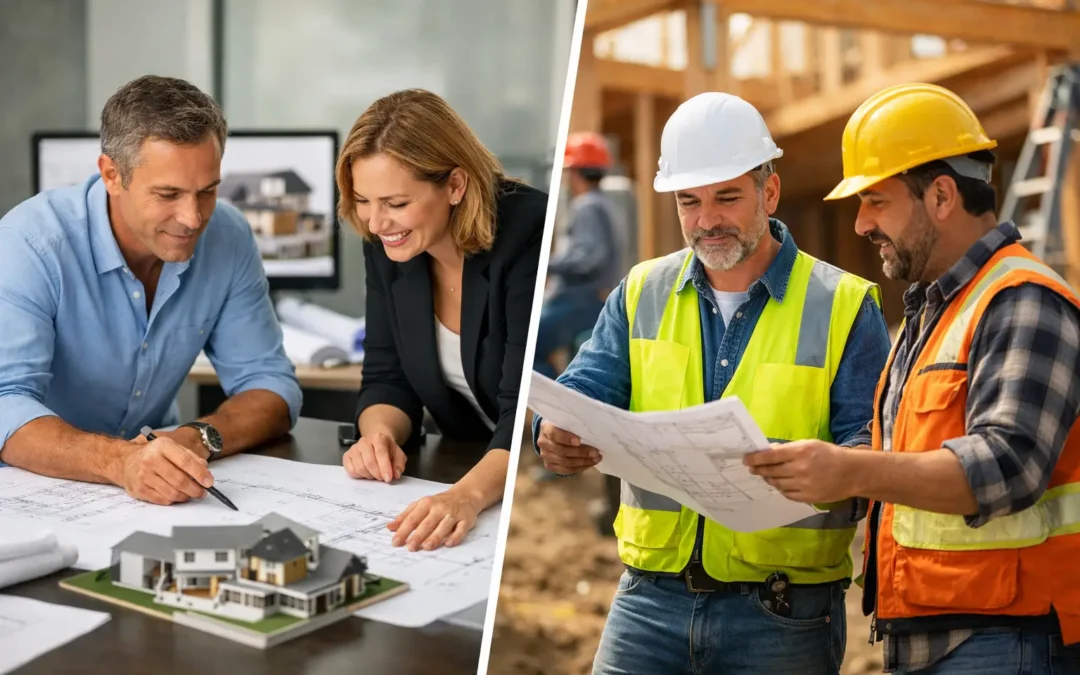
If you are planning a major renovation, custom addition, or new home, the choice between design build vs general contractor will shape almost everything that follows – your budget process, your timeline, and how much coordination falls on your shoulders. Many homeowners assume the two are basically the same. They are not. The right fit depends on how involved you want to be, how complex the project is, and how important it is to have design and construction working under one plan from the start.
For homeowners making a serious investment, this decision is not just about who swings the hammer. It is about how the entire project is organized. A beautiful result usually comes from good planning, honest communication, and strong execution. The project structure has a direct effect on all three.
What design build vs general contractor really means
A design-build company handles both the design side and the construction side as one coordinated service. That usually means the layout, drawings, selections, budget guidance, and construction planning are developed together instead of in separate steps. You are working with one team that is responsible for both the vision and the execution.
A general contractor, by contrast, is usually brought in after the design is already created. In that model, a homeowner may first hire a designer, architect, or draftsperson, complete the plans, and then ask a contractor to price and build the project. The contractor manages labor, trades, scheduling, permits as needed, and construction delivery, but they are typically not leading the design process from day one.
Neither model is automatically better in every case. The better question is which structure gives your project the clearest path from idea to finished space.
The biggest difference is where responsibility sits
The clearest distinction in design build vs general contractor comes down to accountability. With design-build, one company owns the process from concept through completion. If a layout decision affects framing, cabinetry, electrical, or cost, that conversation can happen internally before the problem reaches the job site.
With a traditional general contractor model, responsibility is more divided. The designer may draw the plan, the homeowner may approve it, and the contractor may later flag issues once pricing or construction begins. That does not mean the model fails. Plenty of excellent projects are completed this way. But it does mean coordination requires more back and forth, and sometimes the homeowner becomes the bridge between design decisions and construction realities.
For some clients, that added control feels worthwhile. For others, it creates avoidable stress.
When design-build makes the most sense
Design-build tends to work especially well when the project is complex, custom, or still taking shape. If you are rethinking the flow of a main floor, adding square footage, building a garage, or planning a custom home, early collaboration matters. Design ideas need to be weighed against structure, permitting, material lead times, and budget long before demolition starts.
That is where design-build often creates real value. Instead of designing first and pricing later, the team can shape the design around practical construction knowledge from the beginning. You are less likely to fall in love with plans that later require major revisions to fit the budget.
This model also suits homeowners who want one point of contact and a more guided process. If your goal is to improve your home without managing several separate professionals, design-build can make the experience far more organized.
When a general contractor may be the better fit
A general contractor can be the right choice if your plans are already complete and construction-ready. If you have worked with an architect or designer you trust, and the scope is clearly defined, a contractor can step in to build according to those documents.
This route can also appeal to homeowners who want more direct involvement in consultant selection and design decisions. Some people prefer hiring each professional separately because they want tighter control over every phase. Others already have established relationships with a designer and simply need a dependable builder.
Smaller or more straightforward renovations can sometimes fit this model well too, provided the plans are realistic and the scope is well documented. The key is clarity. A contractor can only price and schedule accurately when the information is solid.
Budgeting works differently in each model
One reason homeowners compare design build vs general contractor so carefully is cost. Not just total cost, but how predictable the cost feels along the way.
In a design-build model, budgeting often happens earlier and more actively. As ideas develop, the construction team can provide real-time feedback on what is likely to push the price up, what offers better long-term value, and where revisions may save money without compromising the finished result. This can reduce the risk of major surprises after drawings are complete.
In a traditional general contractor model, pricing often comes later. The design is developed first, then sent out for estimates. That can work well, but if the plans come in above budget, revisions may be needed after significant time and design fees have already been spent. Homeowners sometimes find themselves redesigning parts of the project to close the gap.
That does not mean design-build is always cheaper. It means the budgeting process is often more integrated, which can make the investment easier to manage.
Timelines and communication can look very different
Most homeowners are not just worried about price. They are worried about delays, confusion, and living in a construction zone longer than expected.
Design-build often helps streamline communication because design and construction teams are aligned from the start. Questions about details, finishes, layout changes, and scheduling can be addressed within one system. That can shorten decision cycles and reduce the kind of disconnect that causes rework.
With a general contractor model, communication can still be excellent, but it depends heavily on how well the homeowner, designer, and contractor work together. If drawings are incomplete or key details were not resolved before construction, delays can follow. Change orders, scheduling adjustments, and revised expectations are more likely when the handoff between design and build is not tight.
For busy families, that difference matters. A well-run project should feel organized, not chaotic.
Quality depends on the people, not just the model
It would be easy to say design-build guarantees a better experience or that a general contractor gives more flexibility. Sometimes that is true. Sometimes it is not. The structure matters, but the team matters more.
A disciplined, detail-oriented contractor with strong project management can deliver outstanding work from well-prepared plans. A thoughtful design-build firm can create a smoother process and a better-finished product because the whole job is being viewed as one connected system. On the other hand, either model can go poorly if communication is weak, expectations are vague, or workmanship is inconsistent.
This is why homeowners should look beyond labels. Ask who will be managing your project day to day. Ask how pricing is developed, how changes are handled, and how design decisions are tracked during construction. Ask who is accountable if something on paper does not work cleanly in the field.
Those answers tell you more than the title on the contract.
How to choose between design build vs general contractor
If your project is highly custom, still evolving, or needs close guidance from concept to completion, design-build is often the stronger choice. It can offer a more unified experience, earlier budget clarity, and fewer gaps between what is imagined and what is actually built.
If your design is already finished, your scope is clearly documented, and you want to choose your design professionals separately, a general contractor may be exactly what you need. The process can work very well when the plans are complete and the builder is experienced, organized, and transparent.
For many homeowners in Niagara, the real priority is not choosing a trendy project model. It is choosing a team that respects the investment, communicates clearly, and builds with care. That is where experience, workmanship, and accountability matter most. At Homes By Adam, that is the standard we believe every homeowner should expect.
Before you commit, take a hard look at your own priorities. Do you want a single trusted partner, or do you want to assemble the team yourself? Do you value early cost guidance, or do you already have a finished design in hand? The right answer is the one that gives you confidence before construction begins, not just optimism after a sales meeting.
The best home projects do not happen by accident. They come from a clear plan, skilled hands, and a process that fits the way you want to build.