
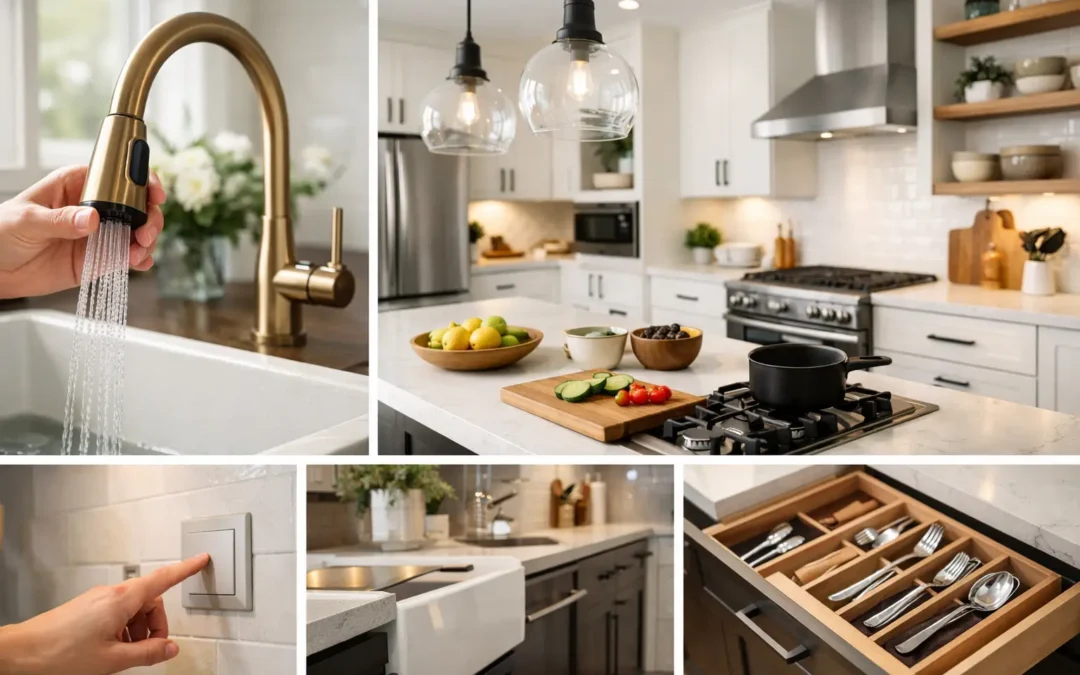
A kitchen remodel usually looks simple on paper until real decisions start stacking up. Cabinet style, appliance layout, lighting, storage, surfaces, plumbing fixtures – each one affects how the room works every single day. When homeowners ask about the best kitchen renovation upgrades, the right answer is rarely the trendiest one. It is the upgrade that improves function, fits the home, and holds up over time.
For homeowners planning a meaningful investment, the best results come from choosing upgrades that make the kitchen easier to live in, easier to maintain, and more valuable to the home as a whole. That means looking past flashy add-ons and focusing on craftsmanship, layout, durability, and details that genuinely improve daily use.
Best kitchen renovation upgrades start with layout
If the layout is wrong, even the most expensive finishes will feel like a compromise. A strong kitchen renovation often begins by fixing circulation, improving prep zones, and creating a better relationship between the sink, range, refrigerator, and surrounding work surfaces.
In many older homes, the kitchen was built for a different way of living. Families today want space for cooking, gathering, helping with homework, and entertaining without everyone competing for the same square footage. Opening up a wall, widening a walkway, or reworking an island can change the room more than a premium appliance package ever will.
That said, layout changes are also where costs can rise quickly, especially if plumbing, gas, or structural work is involved. This is where professional planning matters. A smart design does not always mean moving everything. Sometimes the better investment is refining the existing footprint and improving how each zone functions.
Custom cabinetry that actually solves storage problems
Cabinetry is one of the most visible parts of any kitchen, but it should do more than look good. Well-built cabinets with smart internal storage are one of the best kitchen renovation upgrades because they affect both appearance and everyday convenience.
Deep drawers for pots and pans, pull-out pantry storage, tray dividers, recycling centers, and dedicated spice or utensil drawers can make the kitchen feel calmer and more organized. These are the details homeowners appreciate long after the project is finished.
Material and construction quality matter here. Stock cabinets may work in some projects, but custom or semi-custom cabinetry often gives better long-term value when the goal is a tailored fit, better use of space, and a more refined finished product. The trade-off is price and lead time. Still, when cabinetry is built well and installed properly, it becomes one of the strongest investments in the room.
Quartz countertops for durability and everyday ease
Countertops need to perform. They take heat, spills, impact, and constant cleaning, so material choice should be based on lifestyle as much as appearance.
Quartz remains a leading choice for good reason. It offers a clean, upscale look, strong durability, and low maintenance. For busy households, that combination is hard to beat. Natural stone can also be an excellent option, especially for homeowners who value unique patterning and are comfortable with a bit more maintenance.
There is no single right answer. If you want minimal upkeep, quartz is often the practical winner. If you want a more organic, one-of-a-kind surface, stone may be worth the extra care. The key is making that decision early so edging, backsplash details, and sink integration are planned properly.
Layered lighting that makes the kitchen work better
Lighting is often underestimated until the kitchen is finished and something feels off. A beautiful kitchen can still feel flat, dim, or harsh if the lighting plan is weak.
The best kitchen renovation upgrades usually include layered lighting: ambient lighting for the room, task lighting for prep and cooking, and accent lighting to add warmth and depth. Recessed ceiling lights, under-cabinet lighting, and statement pendants over an island often work together well when the spacing and brightness are planned carefully.
Good lighting is not just about mood. It improves safety, makes food prep easier, and helps finishes look the way they should. This is especially important in kitchens with darker cabinetry or limited natural light. It is a detail that quietly elevates the whole space.
A larger island with purpose, not just size
Kitchen islands are popular for a reason, but bigger is not automatically better. The right island should support how the household uses the space.
For some homes, that means extra seating and a broad prep surface. For others, it means concealed storage, a microwave drawer, or a second sink. In a larger kitchen, an island can become the anchor that ties cooking, serving, and gathering together. In a tighter footprint, an oversized island can create bottlenecks and make the room harder to use.
A well-designed island needs the right clearances around it and the right features built into it. This is one of those upgrades where proportion matters as much as style.
Better appliances in the right places
Appliances are often treated as the headline feature, but performance depends on placement just as much as brand. A premium range will not solve a kitchen that lacks landing space. A built-in refrigerator will not improve function if the pantry is still awkward and overcrowded.
That is why appliance selection should be tied to the design as a whole. Wall ovens can improve accessibility. Induction cooktops offer speed, precision, and easier cleanup. Panel-ready appliances can create a cleaner, more integrated look. Beverage stations and secondary refrigeration can also make sense in homes that entertain often.
The trade-off is budget. Appliances can consume a large share of renovation costs quickly. In many projects, the smarter move is to invest in a few high-impact appliance upgrades and pair them with stronger cabinetry, lighting, and layout improvements.
Durable flooring that can handle real life
Kitchen floors need to stand up to moisture, dropped cookware, heavy traffic, and frequent cleaning. Appearance matters, but durability matters just as much.
Porcelain tile remains a strong choice because it is tough, low-maintenance, and available in a wide range of finishes. Engineered hardwood can create a warmer, more continuous look in open-concept homes, especially when homeowners want the kitchen to feel connected to adjacent living spaces.
The best option depends on the household. Families with pets, children, and heavy daily use often benefit from materials that are more forgiving and easier to maintain. Whatever the choice, proper installation is what protects long-term performance.
A backsplash that finishes the room properly
Backsplashes are sometimes treated as a final decorative choice, but they do more than complete the look. They protect walls, simplify cleaning, and help tie together countertop, cabinet, and hardware selections.
Full-height slab backsplashes create a polished, custom appearance. Tile backsplashes offer flexibility and character, whether the goal is classic subway tile or something more textural and architectural. The best choice depends on the style of the home and how bold or understated the kitchen should feel.
This is a place where restraint often pays off. A timeless backsplash usually ages better than a trend-heavy one.
Thoughtful plumbing fixtures and water features
The sink area sees constant use, so upgrading it can have an outsized effect on daily life. A large single-bowl sink, a high-quality pull-down faucet, and accessories that support cleanup and prep can make the kitchen noticeably more functional.
Pot fillers, prep sinks, and hot water taps can also be useful, but they are not necessary in every project. These features make the most sense when they match how the homeowner cooks and entertains. If the budget is tight, a better main sink and faucet often deliver more value than adding specialty fixtures that get limited use.
Hardware and finish details that sharpen the result
Some upgrades do not carry the highest price tag, but they still matter. Cabinet hardware, trim details, panel finishes, and paint quality all shape how complete the kitchen feels.
This is where craftsmanship shows. Clean lines, accurate reveals, smooth drawer operation, tight joints, and well-chosen finishes separate an average remodel from one that feels genuinely well built. Premium work is not only about what stands out right away. It is also about the details that keep standing up over the years.
Choosing the best kitchen renovation upgrades for your home
Not every kitchen needs every upgrade. The strongest renovation plans are based on how the space is used, what the home needs most, and where the investment will have the greatest return in comfort and value.
For one homeowner, the priority may be custom storage and a better island. For another, it may be opening the layout and improving lighting. In higher-end projects, the best outcome usually comes from balancing visible finishes with the structural and functional choices underneath them.
That is also why renovation planning should not start with a mood board alone. It should start with honest conversations about lifestyle, budget, and expectations. A kitchen that looks impressive but falls short in durability or workflow will not feel like a lasting investment.
At Homes By Adam, that kind of planning is what helps turn good ideas into kitchens that feel considered, polished, and built for real life. When the right upgrades are paired with strong project management and quality craftsmanship, the finished space does more than look new – it works better every day.
If you are deciding where to invest, start with the choices that improve how your kitchen functions first. The best upgrades are the ones you notice every morning, every dinner, and every year after the project is done.