
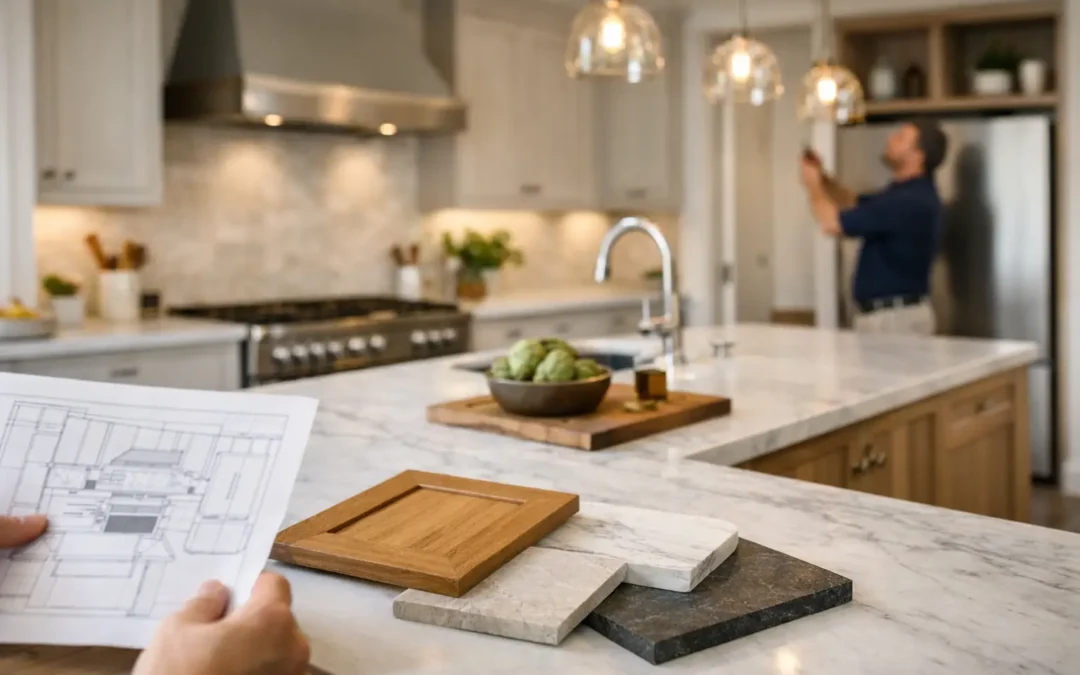
The problem with many kitchen remodels is not the finish selection. It is the layout. A space can look expensive and still feel frustrating to use every day. A bespoke kitchen renovation starts from a different place – how the room needs to work for the people living in it.
That difference matters more than most homeowners expect. The kitchen is one of the hardest-working areas in the house. It handles traffic, storage, cooking, cleanup, conversation, and often homework or entertaining too. When the design is built around standard assumptions instead of your routines, small annoyances turn into daily friction. When it is planned properly, the room feels calm, efficient, and built for the long term.
Why a bespoke kitchen renovation is different
A bespoke kitchen renovation is not just a kitchen with higher-end finishes. It is a renovation shaped around your home, your priorities, and the way you use the space. That can mean custom cabinetry sized to the room instead of filler panels, better sightlines into nearby living areas, smarter appliance placement, or storage designed for the way your family actually cooks.
This approach tends to deliver better results because kitchens are rarely one-size-fits-all. An older Niagara home may have structural quirks, uneven walls, awkward traffic patterns, or limited square footage. A newer home may have more open space but still need better zoning between prep, dining, and gathering. Custom planning allows those conditions to be addressed instead of worked around poorly.
It also creates a stronger finished result. When the proportions are right and the details are intentional, the room feels settled. Nothing looks forced. That is where craftsmanship and planning start to show.
The real value is in function first
Homeowners often begin with inspiration photos, and that is understandable. Style helps clarify preferences. But the best kitchens are not built from photos alone. They are built from decisions about movement, storage, lighting, and use.
A well-executed bespoke kitchen renovation usually improves three things at once: workflow, durability, and visual consistency. Workflow affects how easily you move between the sink, range, refrigerator, pantry, and prep surfaces. Durability shows up in cabinet construction, hardware, countertop performance, and the quality of installation. Visual consistency ties everything together so the kitchen feels appropriate to the rest of the home.
There are trade-offs, of course. Fully custom work generally costs more than stock options, and the design process takes more thought on the front end. But that investment often prevents the more expensive mistake of renovating once and still living with compromises.
Where custom planning pays off most
Storage is one of the clearest examples. Standard cabinet packages can leave dead corners, wasted vertical space, or drawers that do not fit the way you cook. Custom cabinetry can account for oversized platters, hidden charging areas, spice storage near the range, deeper drawers for cookware, or integrated pantry solutions that reduce clutter.
Lighting is another area where bespoke work makes a visible difference. Many kitchens have plenty of light, but not in the right places. Layered lighting over prep zones, islands, and perimeter workspaces helps the room function better and feel more comfortable at different times of day.
Then there is the issue of flow. An island that looks great on paper can create a bottleneck if walkways are too tight. A refrigerator in the wrong spot can interrupt traffic every morning and every evening. These are not dramatic design failures, but they affect how the room performs every day.
What to expect during a bespoke kitchen renovation
The most successful projects start with honest conversations, not sales pressure. A contractor should ask how you use the kitchen now, what is not working, how long you plan to stay in the home, and where you want to invest versus where you prefer to be practical.
That early phase matters because it sets the tone for the entire job. A premium renovation is not just about nicer materials. It is about clear scope, disciplined project management, and steady communication from start to finish.
In most cases, the process includes design development, budgeting, material selections, scheduling, demolition, rough-in work, installation, and finishing details. Depending on the age of the home, there may also be electrical, plumbing, insulation, framing, or structural updates behind the walls. That is one reason experience matters. A beautiful rendering means very little if the build side is not handled correctly.
For homeowners, the key is working with a team that can balance design goals with practical execution. The layout has to make sense. The timeline has to be realistic. The workmanship has to hold up long after the final walkthrough.
Choosing features that age well
Trends move quickly. Kitchens should not.
The best bespoke kitchen renovation choices usually combine timeless foundations with personal detail. Cabinetry profiles, flooring, tile, and countertop materials should feel relevant years from now, not just this season. That does not mean the kitchen needs to feel conservative. It means the larger investments should have staying power.
Paint colors, lighting fixtures, hardware, and stools are easier to update over time. Cabinet layout, electrical planning, and millwork are not. That is why it makes sense to put real thought into the permanent parts first.
Natural wood tones, painted cabinetry in restrained colors, durable stone surfaces, and well-integrated storage tend to last visually and functionally. The exact mix depends on the home. A character house may call for warmer detailing and a more tailored furniture feel. A newer property may suit cleaner lines and a lighter palette. Good design responds to the architecture instead of fighting it.
Budgeting for quality without overspending
Custom does not have to mean wasteful. In fact, one of the smartest parts of a bespoke approach is allocating budget where it matters most.
That might mean spending more on cabinet construction and hardware while simplifying a backsplash selection. It might mean investing in a better layout and millwork package instead of stretching for every premium appliance. The right answer depends on how you cook, how often you entertain, and what matters most in your daily use.
The point is not to make every line item high-end. The point is to build a kitchen where the important parts perform well and feel cohesive. That takes guidance, not guesswork.
How to know if bespoke is the right path
Not every kitchen needs a fully custom solution. If the existing layout is strong and the room only needs cosmetic updates, a more limited renovation may be enough. But if the kitchen feels cramped, disjointed, poorly organized, or out of step with the rest of the home, custom planning is often worth it.
It is especially valuable when the home has unique dimensions, when storage is limited, when entertaining is a priority, or when the kitchen needs to serve multiple purposes for a busy family. In those cases, standard solutions usually solve part of the problem, not the whole thing.
For homeowners in Niagara Falls and the surrounding area, that often means looking beyond finishes and asking better questions. Will this layout still work in five years? Are we improving how the room lives, or just how it photographs? Is the renovation being planned with enough care to justify the investment?
Those questions tend to lead to better projects.
A kitchen should feel like it belongs to your home and the people in it. When the design is thoughtful, the build is disciplined, and the details are finished properly, you notice it in all the quiet ways – easier mornings, cleaner sightlines, better storage, and a space that feels right every time you walk into it. That is the real measure of a renovation worth doing.